
The link game behind modern search visibility
Search engines don’t reward effort—they reward authority signals. And despite all the evolution in ranking systems, backlinks remain one of the strongest indicators of trust flowing into a website.
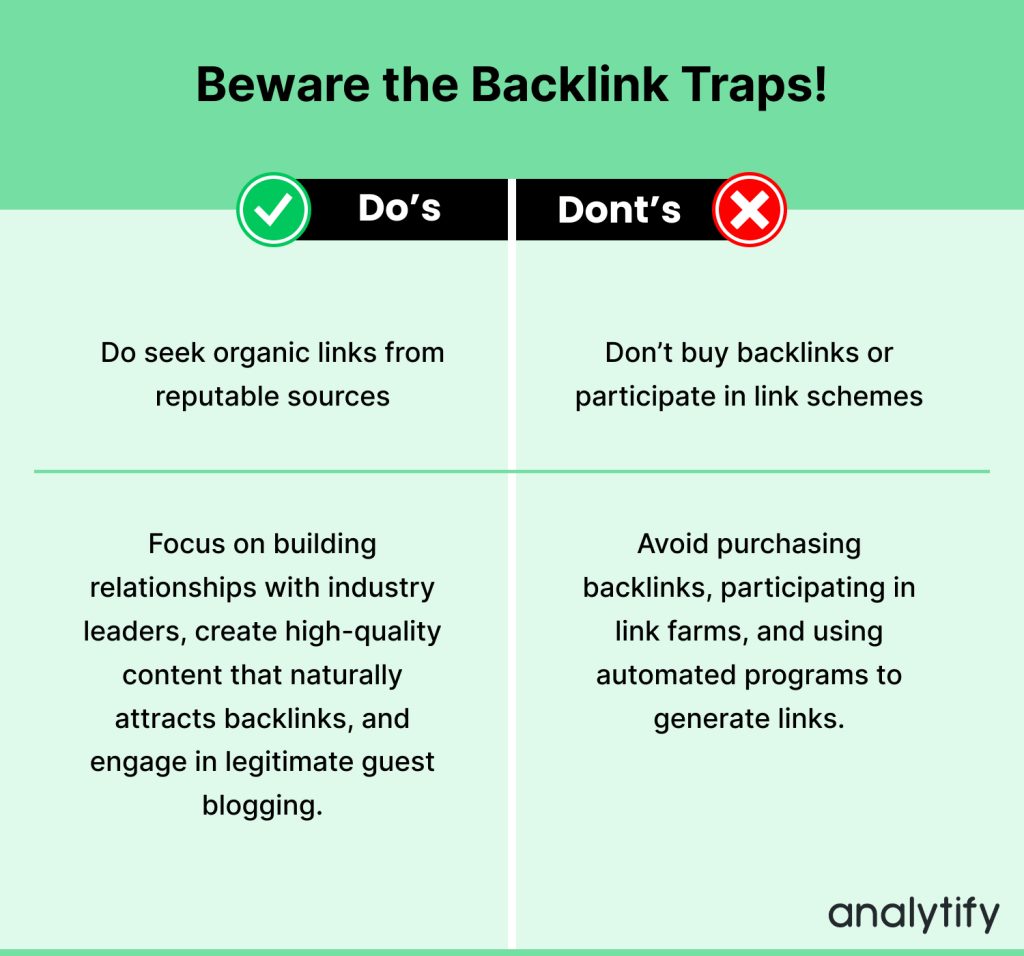
But the reality behind the option to buy backlinks is far more complex than most guides admit. There’s a spectrum: from legitimate editorial mentions on real publications to artificially constructed networks designed purely to manipulate rankings.
Understanding where each method sits on that spectrum is what determines whether your site grows steadily or destabilizes under algorithm scrutiny.
Where backlink acquisition actually happens
Most website owners don’t manually earn every link. Instead, they rely on intermediaries that specialize in placement, outreach, or network access.
One of the most widely used platforms is Fiverr, where thousands of sellers offer link placements, guest posts, and niche edits. The speed is attractive, but quality control varies dramatically from provider to provider.
On the agency side, outreach firms negotiate directly with publishers, securing contextual placements within real articles. These tend to be more stable because they rely on editorial approval rather than automated insertion.
Then there are curated SEO providers such as Rankers Paradise, which are often positioned as premium sources focusing on relevance, controlled placement, and reduced footprint risk compared to mass marketplaces. Many marketers prefer this category because it aims to mimic natural editorial linking patterns rather than bulk distribution.
The uncomfortable truth about risk and reward
Link building is not inherently dangerous. The danger comes from how aggressively and unnaturally it’s executed.
When links appear too quickly, follow repetitive patterns, or originate from low-trust environments, search engines can begin discounting their value—or in extreme cases, suppressing rankings entirely.
So the real question isn’t whether links help. It’s whether the method used to obtain them introduces long-term instability.
Cheap backlinks and why they collapse under pressure
Low-cost backlink packages are often built on recycled domains, automated publishing systems, or irrelevant placements designed purely for scale.
They may produce short bursts of ranking movement, but that effect is usually temporary.
The underlying issue is footprint similarity. When multiple links share identical structures, hosting behaviors, or anchor patterns, algorithmic systems can classify them as manufactured rather than earned.
Even without penalties, these links tend to decay in value as indexing systems reassess their credibility.
The hidden structure of PBN systems
Private Blog Networks remain one of the most controversial tactics in SEO because they offer full control over link variables.
However, that control is also what makes them vulnerable.
Common signals of a risky PBN setup include:
Repeated content templates across unrelated topics
Over-optimized anchor distribution patterns
Domains with no genuine audience engagement
Excessive outbound linking to commercial pages
Once a network becomes predictable, its effectiveness often collapses quickly as search engines identify shared ownership patterns.
Safer ways to approach link acquisition
More sustainable strategies prioritize editorial relevance over volume.
This typically involves:
Creating content assets that naturally attract citations, such as original research or useful tools
Building relationships with niche publishers who operate real editorial workflows
Diversifying referring domains to avoid overreliance on any single source type
Keeping anchor usage natural instead of engineered
These approaches take longer to scale but tend to produce more stable ranking behavior over time.
The decision point most people misunderstand
There’s a moment in nearly every SEO strategy where speed competes directly with stability.
That’s where the idea of buy backlinks usually enters the conversation—not as a tactic in isolation, but as a shortcut competing against slower organic growth.
The real trade-off isn’t just performance. It’s durability under future algorithm updates.
Final perspective
Backlink strategy has evolved into a discipline of pattern awareness rather than simple acquisition.
Short-term gains can be engineered, but long-term authority tends to favor consistency, relevance, and editorial authenticity.
At the center of that decision-making process, the phrase buy backlinks represents less of a recommendation and more of a strategic crossroads—one that determines whether growth behaves like a spike or a slope over time.